The psychological impact of gambling Understanding the mind’s game
The Allure of Gambling
The world of gambling is often portrayed as glamorous and thrilling, drawing millions into its grasp. The excitement of placing a bet can trigger a rush of adrenaline, which many find irresistible. This exhilaration can create a psychological dependency, where the anticipation of winning overshadows the potential for loss. As players become more engrossed, the line between casual enjoyment and compulsive behavior can blur. Additionally, those exploring various options may find themselves intrigued by a real money online casino that promises an electrifying experience.
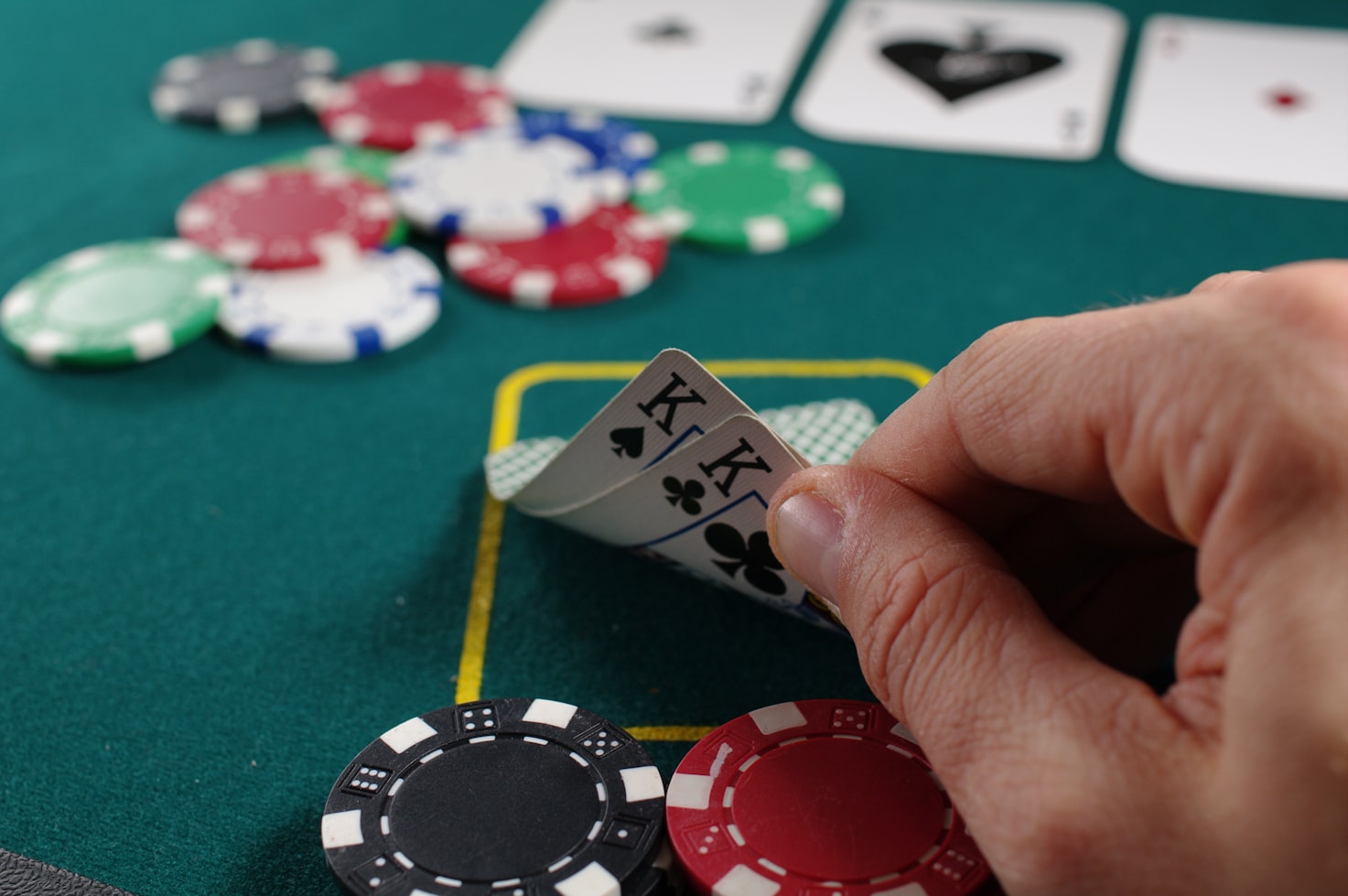
Moreover, the environment of casinos and online gambling platforms is designed to stimulate the senses. Bright lights, enticing sounds, and the celebration of winners create an atmosphere that encourages continued play. This design not only enhances the experience but also reinforces the desire to gamble, often leading individuals to disregard the financial risks involved.
The Psychology Behind Compulsive Gambling
Compulsive gambling is classified as a behavioral addiction that affects an individual’s emotional and psychological well-being. Those struggling with this condition often experience a range of emotions, from euphoria during wins to profound despair following losses. This emotional rollercoaster can further entrench their gambling behavior as they chase the high that comes with winning.
In many cases, individuals may gamble to escape stress, anxiety, or depression, using it as a coping mechanism. This reliance on gambling for emotional relief can create a vicious cycle, where the temporary alleviation of stress leads to more significant problems in the long run. Understanding the underlying psychological triggers is crucial for addressing and treating gambling addiction.
The Role of Cognitive Biases
Cognitive biases significantly influence gamblers’ decisions, often leading them to misinterpret odds and outcomes. Common biases include the illusion of control, where players believe they can influence outcomes through skill or strategy. This fallacy can result in overconfidence and increased risk-taking, as gamblers persist despite unfavorable odds.
Additionally, the phenomenon of ‘near misses’ can also have a powerful psychological effect. When players come close to winning, their brains can misinterpret this as a sign of skill or future success. Such experiences can reinforce the gambling behavior, making it harder to recognize when it’s time to walk away.
The Impact on Relationships and Society
The repercussions of gambling extend beyond the individual, affecting relationships and communities. Gamblers may prioritize their addiction over familial and social responsibilities, leading to strained relationships and isolation. This impact can create a ripple effect, where loved ones face emotional and financial challenges as a result of the gambler’s choices.
Moreover, communities can feel the strain of gambling, especially in areas where casinos are prevalent. Increased crime rates, financial distress, and a rise in mental health issues can occur as gambling-related problems proliferate. Addressing these societal impacts requires a comprehensive understanding of the psychological effects of gambling on both individuals and their communities.

Ensuring Safe Gambling Practices
To navigate the complexities of gambling, it is essential to foster awareness about its psychological impacts. Websites dedicated to gambling safety play a crucial role in educating users about responsible gambling practices. They provide resources for recognizing signs of problematic behavior and encourage individuals to seek help when necessary.
By promoting a culture of awareness and understanding, these platforms can mitigate the adverse effects of gambling. Ensuring that users have access to information about safe gambling practices can empower them to make informed decisions, ultimately contributing to a healthier gaming environment.